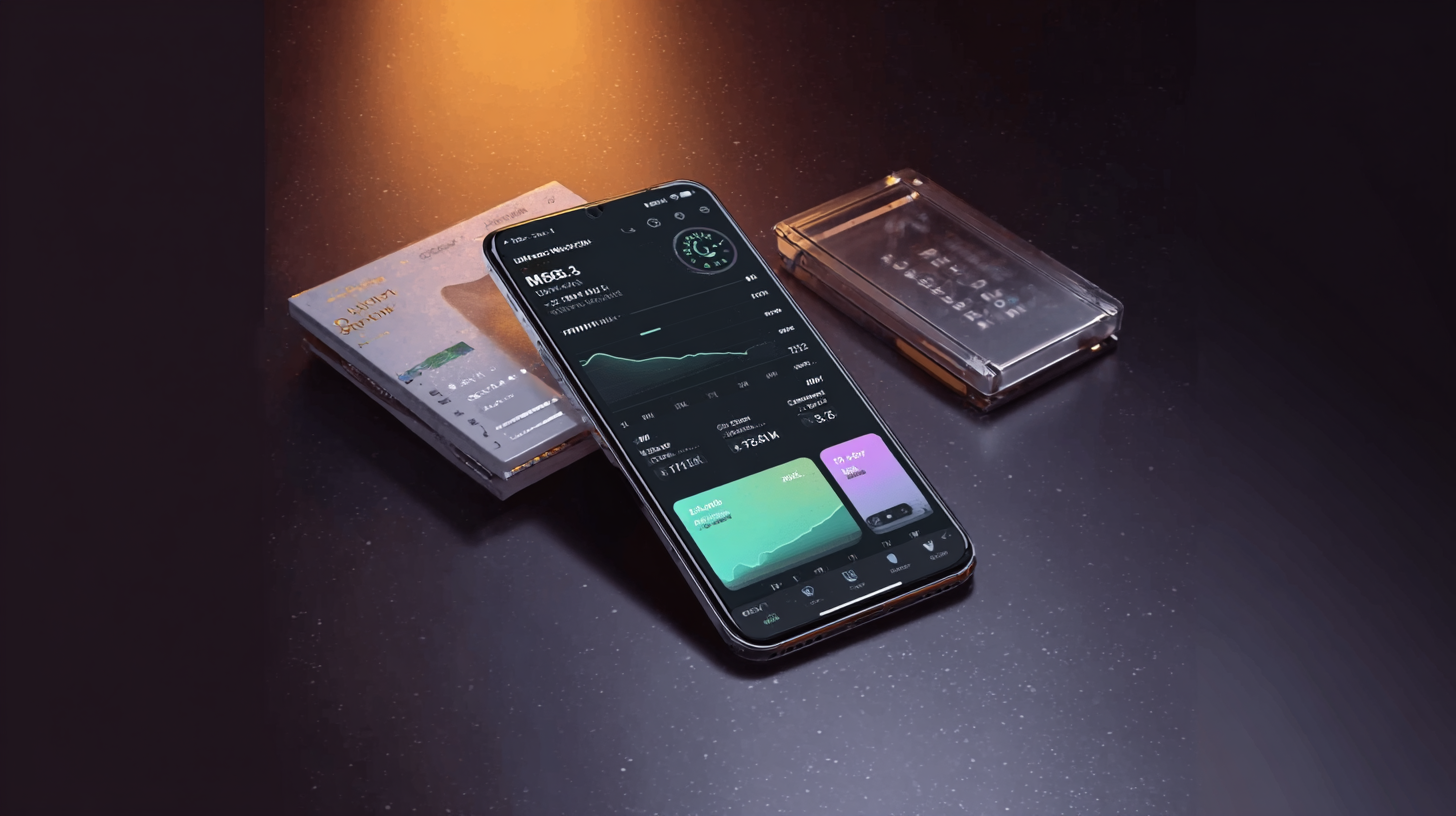
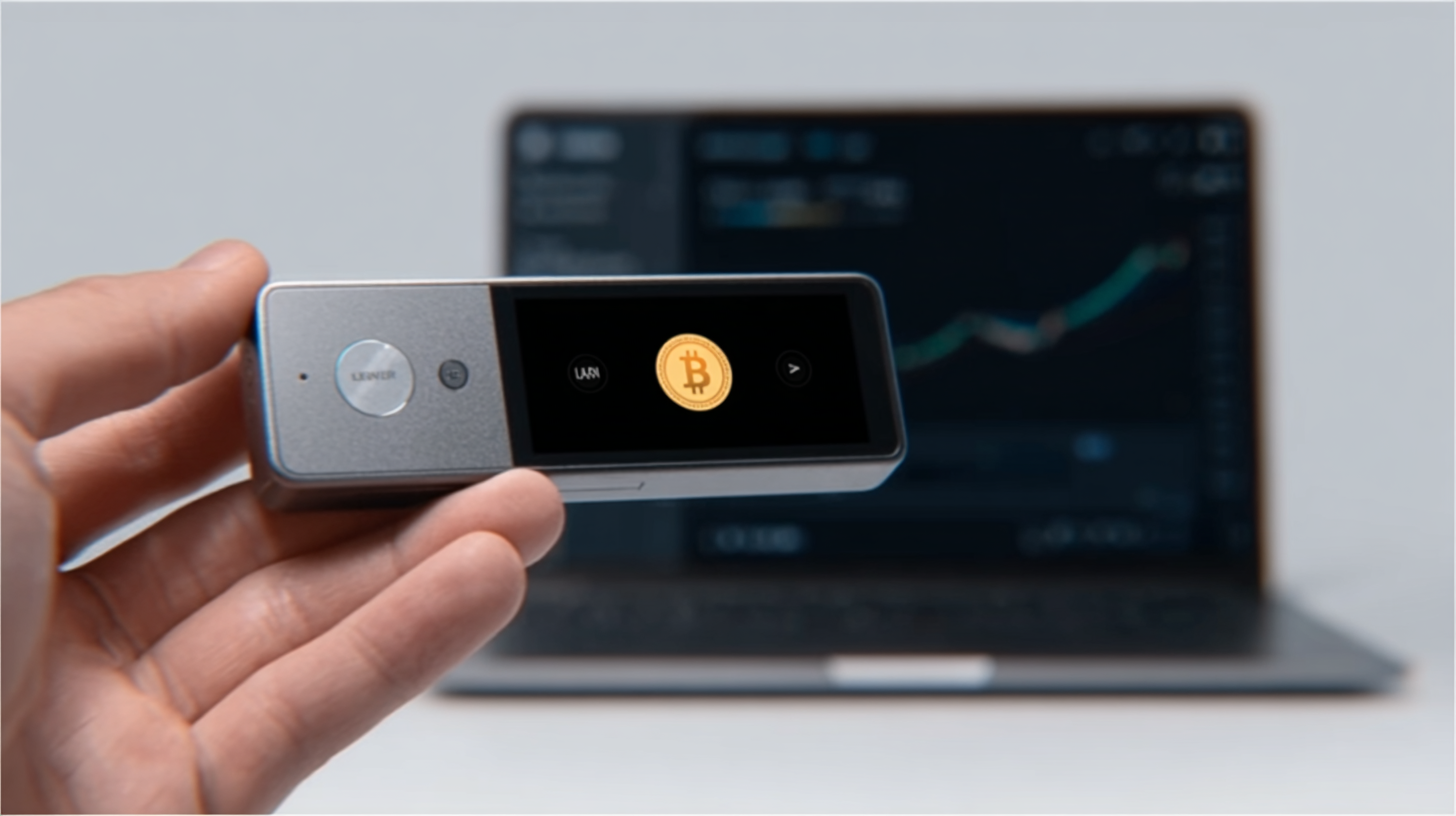
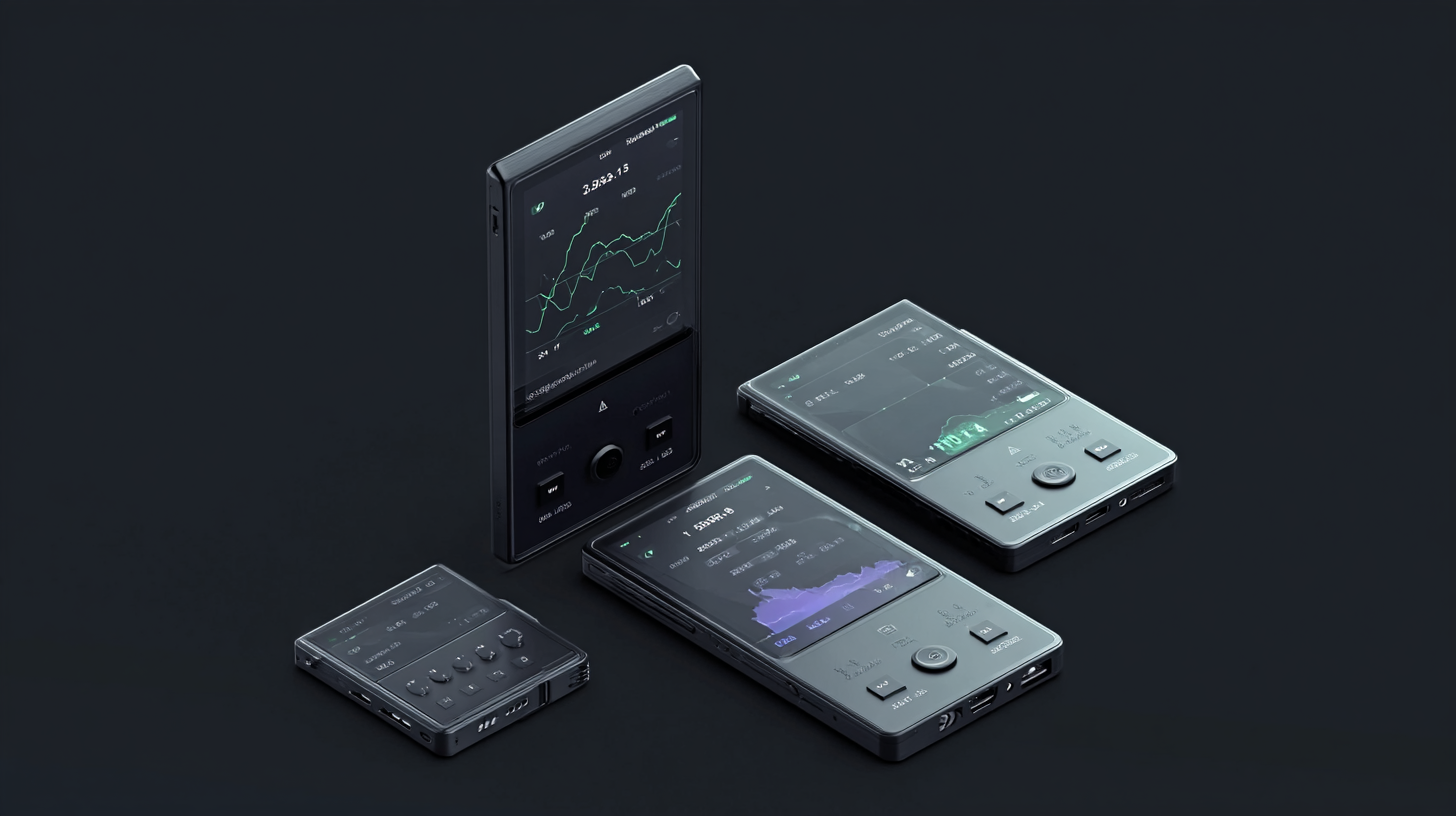
Ledger Live is the dedicated software for managing crypto held on Ledger hardware wallets, pulling balances, transactions, swaps, staking, and device administration into one place. Anyone running a Nano S Plus, Nano X, Flex, or Stax interacts with their holdings through this app rather than through scattered third-party tools that each cover only a piece of the picture.
The Ledger Live download comes from ledger.com for desktop and from the official mobile app stores for iOS and Android. Direct distribution avoids the fake Ledger Live app problem that scammers have run for years, where lookalike installers harvest recovery phrases or rewrite transaction destinations during signing.
Ledger SAS has been building hardware wallets since 2014 and has shipped millions of devices to users in more than 200 countries. The app and the firmware ship together, with both signed by Ledger and verified during installation through the secure element chip on the device itself.
Ledger Live bridges the offline private keys on a Ledger device with the online operations users need to actually use their crypto. Sending and receiving, viewing prices, signing dApp transactions, claiming staking rewards, and dozens of other operations all happen through this connection. The hardware never exposes keys, but the app makes the keys functionally useful for everything beyond pure cold storage.
Connection Methods Between Device and App
Connection methods between a Ledger device and the Ledger Live app vary by model and platform, with USB-C, USB OTG, and Bluetooth all in active use across the lineup. Desktop installations typically use USB-C cables for stable, fast pairing on Windows, macOS, and Linux. Mobile pairing splits along platform lines, with iOS requiring Bluetooth because Apple restricts wallet hardware on Lightning and USB-C ports, while Android handles both Bluetooth and direct USB OTG cable connections. The Bluetooth implementation uses encrypted communication with transaction details still confirmed on the device screen, preserving the same security guarantees as wired connections. Ledger crypto operations work identically across connection methods, since the cryptographic signing happens on the secure element chip regardless of how data reaches it.
What Happens During a Transaction
What happens during a transaction shows the division of responsibilities between Ledger Live and the connected device clearly. The user picks an asset, enters a recipient address, and types the amount in the app. Ledger Live constructs the unsigned transaction, including the fee data appropriate for the chain, and sends it to the device for signing. The device displays the recipient address, the amount, and the fee on its own screen, requiring physical button presses or screen taps to approve. Once signed, the transaction returns to Ledger Live, which broadcasts it to the network. The private key never leaves the device, the user verifies critical details on hardware that malware can't tamper with, and the broadcast happens through the standard internet connection.
The transaction sequence breaks down into specific stages:
User initiates the transaction in the Ledger Live application.
App constructs the unsigned transaction with all chain-specific data.
Unsigned transaction passes to the device over USB or Bluetooth.
Device screen displays recipient, amount, and fee for verification.
User confirms or rejects the transaction with physical buttons.
Signed transaction returns from device to the app.
Ledger Live broadcasts the signed transaction to the network.
Real-Time Portfolio View
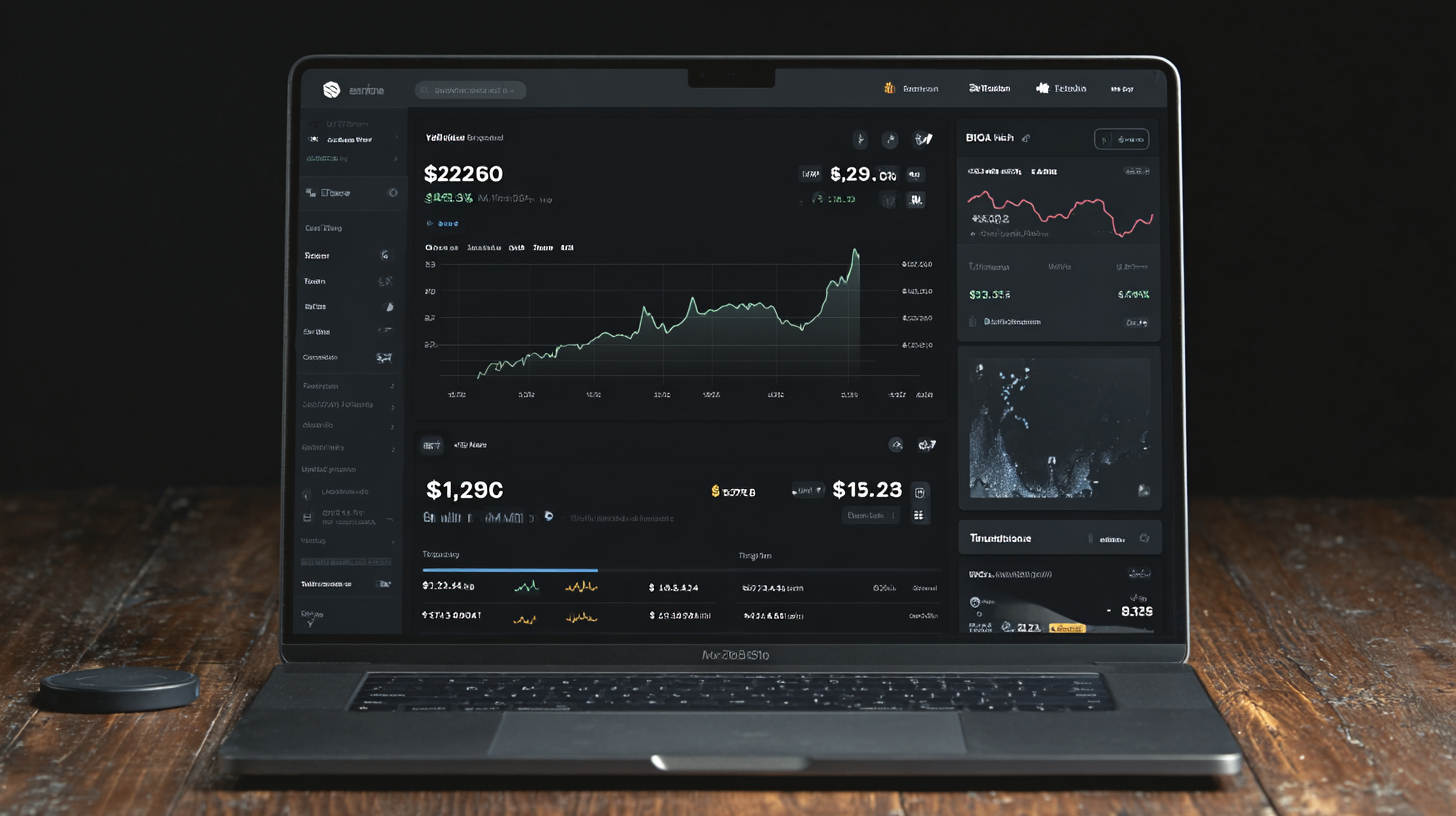
Real-time portfolio view inside Ledger Live aggregates balances across every account, every chain, and every device the user has added to the installation. Total portfolio value appears in the user's chosen fiat currency, with breakdowns by asset class, chain, and individual account available at deeper navigation levels. Price data refreshes regularly through external feeds, and historical charts show portfolio performance over selectable time windows. The view doesn't require any device connection to display, since balances and price data sync independently of signing operations. This separation lets users check their portfolio quickly without plugging in hardware, while still requiring the device for any state-changing operation.
Ledger Live Download and Installation
ledger-live-download-and-installation
The Ledger Live download and installation process matters because so much depends on starting with a clean, authentic build. Users who get this part right can rely on the app's security model, and users who get it wrong sometimes lose everything. The official distribution channels are simple and worth bookmarking before searching for them later.
Desktop Installation Steps
Desktop installation of Ledger Live starts at ledger.com/ledger-live, where the site detects the user's operating system and offers the matching installer. Windows builds run as standard executable installers requiring administrator privileges briefly during setup. macOS builds come as notarized .dmg files that drag into the Applications folder, with Apple's notarization process providing an additional verification layer. Linux installation typically uses AppImage builds that run directly without system-level installation, though some users prefer the available .deb packages on Debian-based distributions. The installer signature gets verified during installation, with mismatches triggering warnings that should never be ignored. Auto-update keeps installed copies current automatically, with optional manual control for users who prefer to review changes before applying.
Mobile App Sources
Mobile app sources for Ledger Live come exclusively through the Apple App Store on iOS and Google Play on Android, with no legitimate alternative distribution channels. iOS users find the app by searching "Ledger Live" and verifying the publisher shows as Ledger SAS before installing. Android users do the same on Google Play, with the additional caveat that Android allows sideloading APKs from outside the store, which has been the vector for some fake Ledger Live app distributions. Users should never install Ledger Live from APK files shared through forums, social media, or file-hosting sites regardless of who claims to have posted them. The mobile app handles most daily Ledger Live operations including swaps, staking, sending, receiving, and dApp connections through WalletConnect.
Verifying the Authentic Ledger Live App
Verifying the authentic Ledger Live app before trusting it with wallet access protects against the fake versions that scammers continuously produce. Signature verification on desktop downloads matches the installer against Ledger's signing certificate, with PGP signatures available for users who want command-line verification. The app store publisher name on mobile should read "Ledger SAS" exactly. Once installed, the app's behavior provides additional verification points, since the legitimate Ledger Live never asks for the recovery phrase to be entered into the app interface under any circumstance.
Common authenticity verification methods include:
Downloading only from ledger.com or official app stores
Checking publisher name shows as Ledger SAS in app stores
Verifying installer signatures on desktop builds
Confirming PGP signatures for users running Linux from source
Refusing any prompt to enter the recovery phrase into the app
Comparing visual interface against screenshots from ledger.com
Reviewing app permissions for anything outside expected scope
Ledger Live Login and Account Management
ledger-live-login-and-account-management
Ledger Live login uses the connected hardware device as the actual access mechanism, with the app providing the visual layer over what the device authorizes. Users open Ledger Live, plug in or pair their device, enter the device PIN on the hardware itself, and gain access to the accounts and balances associated with that device. Optional app-level password protection adds a privacy layer separate from the hardware authentication.
Account Structure in Ledger Live
Account structure in Ledger Live organizes holdings hierarchically, with each cryptocurrency potentially having multiple accounts under it for users who want separation between funds. Bitcoin accounts can use Native SegWit, SegWit, or Taproot address types based on user preference and chain support, with each address type generating a separate account in the app. Ethereum accounts derive from the same recovery phrase but appear as separate entries when added explicitly, useful for users who want to segregate DeFi activity from cold storage funds. The Ledger Live wallet view groups all accounts together in the portfolio total but lets users drill into individual accounts for transaction history and management. Adding accounts requires connecting the device and confirming the addition on the device screen.
Multi-Device Setup
Multi-device setup lets users manage several Ledger devices through a single Ledger Live installation, useful for separating cold storage from active funds or for managing wallets belonging to different family members. Each device shows its own accounts under its own profile, with the app prompting for which device to connect when needed. Switching between devices happens through the device selection menu, and the app remembers configurations for previously paired devices. Bitcoin Ledger users running cold storage often pair a high-security device with a separate active-use device, accessing each through the same Ledger Live installation but keeping the wallets functionally separate. The app maintains separate transaction histories and account lists for each paired device.
Cross-Device Synchronization
Cross-device synchronization through Ledger Sync keeps account configurations consistent between desktop and mobile installations of Ledger Live. Account additions, custom names, hidden tokens, and similar configuration data sync across signed-in devices, with end-to-end encryption protecting the data in transit. The synchronization handles only metadata, not wallet keys or transaction signing capability, since those still require the physical device to be present. Users who manage portfolios from both desktop and mobile benefit from not having to recreate account structures on each installation. Setting up Ledger Sync requires confirming the link between devices through Ledger Live, with the encryption keys stored in a way that maintains the self-custody model.
Hardware Wallet Models That Pair With Ledger Live
hardware-wallet-models-that-pair-with-ledger-live
The hardware wallet models that pair with Ledger Live span the current Ledger lineup and several discontinued models that the app still supports. Each device has its own form factor, screen size, and connection options, but all share the secure element chip architecture and work with the same Ledger Live application. Choosing between models comes down to preferences around portability, screen size, and connection needs.
Comparing Current Ledger Models
Comparing current Ledger models shows a clear progression from compact entry-level devices to premium options with larger screens and additional features. Each model handles the same crypto operations and supports the same chains, with differences concentrated in user experience rather than security or capability. Users moving meaningful amounts often prefer larger screens for verification, while users prioritizing portability stick with the Nano series.
Model
Screen
Connection
Best For
Nano S Plus
Small
USB-C
Entry-level users
Nano X
Small
USB-C, Bluetooth
Mobile users
Ledger Flex
Medium touchscreen
USB-C, Bluetooth
Active traders
Ledger Stax
Curved E Ink
USB-C, Bluetooth
Premium experience
Bitcoin Ledger Setup Across Models
Bitcoin Ledger setup across models follows the same general flow, with the user installing the Bitcoin app onto the device through the Ledger Live manager and then adding Bitcoin accounts in the app. Address type selection happens during account addition, with Native SegWit recommended for most users due to lower fees and Taproot available for users who want the latest address format. Each Bitcoin account generates a fresh receive address for incoming transactions, with the device confirming each address before display to prevent malware-rewritten address attacks. Sending Bitcoin requires the device to be connected and unlocked, with transaction details verified on the device screen including amount, recipient, and fee before signing.
Discontinued Models Still Supported
Discontinued models still supported by Ledger Live include the original Nano S, which Ledger sold for years before replacing it with the Nano S Plus. The original Nano S has limited app storage that constrains how many chains can be active simultaneously, but the device still receives firmware updates and works with current Ledger Live versions. Users with original Nano S devices can continue using them or upgrade to current models by restoring the same recovery phrase onto a new device. Backwards compatibility matters for the user base that bought devices years ago and doesn't want to be forced into hardware upgrades on Ledger's schedule. The recovery phrase format remains compatible across all Ledger models and most other BIP-39 hardware wallets.
Ledger Live Features Beyond Basic Transactions
ledger-live-features-beyond-basic-transactions
Ledger Live features beyond basic transactions cover the broader set of operations that crypto holders actually do, from staking and swapping to NFT management and dApp connections. The feature scope has expanded across many releases, with each major update typically adding integrations or capabilities. Most of these features integrate third-party providers under the hood, but the device-level confirmation requirement keeps the security model consistent.
Staking Through Ledger Live
Staking through Ledger Live works on major proof-of-stake chains including Ethereum, Solana, Polkadot, Cosmos, Tezos, and others, with the app integrating validator partners or native protocol staking depending on the chain. Ethereum staking goes through Lido, Kiln, and other partners that handle the validator infrastructure, letting users stake any amount rather than the 32 ETH minimum required for solo validation. Solana staking lets users delegate to validators directly through the app, with rewards accruing automatically. Polkadot, Cosmos, and Tezos staking work natively, since those chains don't require external infrastructure for normal staking operations. Each staking transaction requires device confirmation, and rewards typically auto-compound or accrue for manual claiming depending on the chain.
Swap Functionality
Swap functionality inside Ledger Live aggregates quotes from multiple swap providers including Changelly, 1inch, ParaSwap, and Lifi, surfacing competing offers for any pair the user wants to trade. The swap happens by signing the relevant transactions on the device, with the providers handling the actual liquidity routing through DEXs and other sources. Cross-chain swaps work for many popular pairs, letting users swap from Bitcoin to Ethereum or similar combinations without manual bridging. Slippage and fee tolerances surface in the interface before each swap, and device confirmation requires verifying the relevant transaction details on the hardware screen. The aggregated quote model means users typically get competitive execution without manually shopping around.
NFT and Web3 Integration
NFT and Web3 integration in Ledger Live covers Ethereum and Polygon NFT collections with native viewing and transfer support, plus broader Web3 access through WalletConnect and a custom dApp browser on supported platforms. The native NFT view shows collections owned by connected accounts, with images, metadata, and transfer functionality available without third-party services. WalletConnect support extends Ledger Live functionality to virtually any dApp that supports the protocol, with the device signing transactions just as it would for native Ledger Live operations. Users can interact with DEXs, lending platforms, NFT marketplaces, and other DeFi applications while keeping signing on the hardware device. The Web3 Ledger experience covers most of what a software wallet user would expect, with the security upgrade that comes from hardware key storage.
Security Practices for Ledger Live Users
security-practices-for-ledger-live-users
Security practices for Ledger Live users determine whether the hardware wallet's strong technical protections translate into actual safety. The device handles cryptographic security excellently, but operational security around the recovery phrase, the app installation, and transaction verification depends entirely on user behavior. Most cases of stolen funds from Ledger users trace back to operational mistakes rather than hardware compromise.
Recovery Phrase Storage
Recovery phrase storage represents the single most important security decision a Ledger user makes, since the phrase grants complete access to all wallets generated from it. Writing the phrase only on the included recovery sheet or on equivalent paper, never typing it into any digital device or photographing it, prevents the most common compromise vectors. Physical security of the recovery sheet matters as much as digital security, with users storing the sheet in safes, safety deposit boxes, or geographically separated locations depending on the value at stake. Metal backup plates that resist fire and water damage offer durability beyond paper, though the same physical security principles apply. Multiple copies stored in separate locations protect against single-point loss but multiply the surfaces that need to remain secure.
Verifying Transactions on Device
Verifying transactions on device every time matters because the connected computer might lie about what's being signed, and only the device screen shows what actually leaves the hardware. Address verification specifically catches malware that rewrites destinations on the computer screen while sending different addresses to the device for signing. Amount verification catches errors where typos or interface manipulation produce different values than intended. Smart contract interactions on Ethereum and similar chains require careful review of what the contract will do, since signing a malicious contract can drain wallets even without an obvious transaction error. Users moving large amounts often verify each transaction by reading the device screen carefully and comparing against known-good information rather than just confirming what the app suggests.
Phishing Awareness
Phishing awareness covers the social engineering attacks that target Ledger users specifically, including fake support requests, fraudulent emails claiming to be from Ledger, and websites mimicking ledger.com. Ledger never asks for the recovery phrase through email, support chat, or any other channel, period. Any request for the recovery phrase is phishing by definition, regardless of what story accompanies it. Fake support representatives sometimes claim that the user's device has been compromised and that the recovery phrase needs to be verified for security purposes, which is the exact opposite of the truth. Users facing legitimate device issues should reach Ledger support through verified channels at ledger.com/support, never through chat or email links that arrive unsolicited.
FAQ
Ledger Live is the official software for managing crypto held on Ledger hardware wallets, covering balances, transactions, swaps, staking, NFTs, and dApp connections. The app pairs with Ledger Nano S Plus, Nano X, Flex, and Stax devices over USB or Bluetooth.
The Ledger Live download is free for Windows, macOS, Linux, iOS, and Android. Network transaction fees and third-party service fees for swaps, buys, and similar operations apply normally according to each chain or provider.
Ledger Live requires a Ledger hardware wallet to access crypto accounts or sign transactions. The app installs without a device but cannot perform any wallet operations until a device is paired.
Ledger Live login uses the connected hardware device as the access mechanism, with users entering the device PIN on the hardware itself. An optional app-level password adds privacy protection over what the app displays locally.
Ledger Live desktop and mobile share the same core feature set, with desktop handling firmware updates and a few advanced operations more reliably. Mobile pairing requires Bluetooth on iOS while supporting both USB and Bluetooth on Android.
Avoiding fake Ledger Live downloads means using only ledger.com for desktop builds and the official Apple App Store or Google Play for mobile. Search ads and third-party download sites regularly host malicious copies designed to capture recovery phrases or alter transactions.
Ledger Live supports staking on major proof-of-stake chains including Ethereum, Solana, Polkadot, Cosmos, and Tezos through validator partnerships. Swapping aggregates quotes from providers like Changelly, 1inch, and ParaSwap directly within the app.